When Trying Harder Isn't the Answer
One of the hardest lessons we'll ever learn is this:
You can't love someone enough to make them become the person you need them to be.
I know that's painful.
Because when you're a caring person, your instinct is to try harder. Communicate better. Be more patient. Give them another chance. Convince yourself that this time will be different.
Sometimes that comes from hope. Sometimes it comes from fear. And sometimes it comes from quietly abandoning yourself one compromise at a time.
The tricky part is that self-abandonment rarely feels like self-abandonment while you're living it.
It feels like being understanding. It feels like keeping the peace. It feels like believing in someone's potential.
Before long, you've become so focused on managing someone else's emotions that you've completely stopped listening to your own.
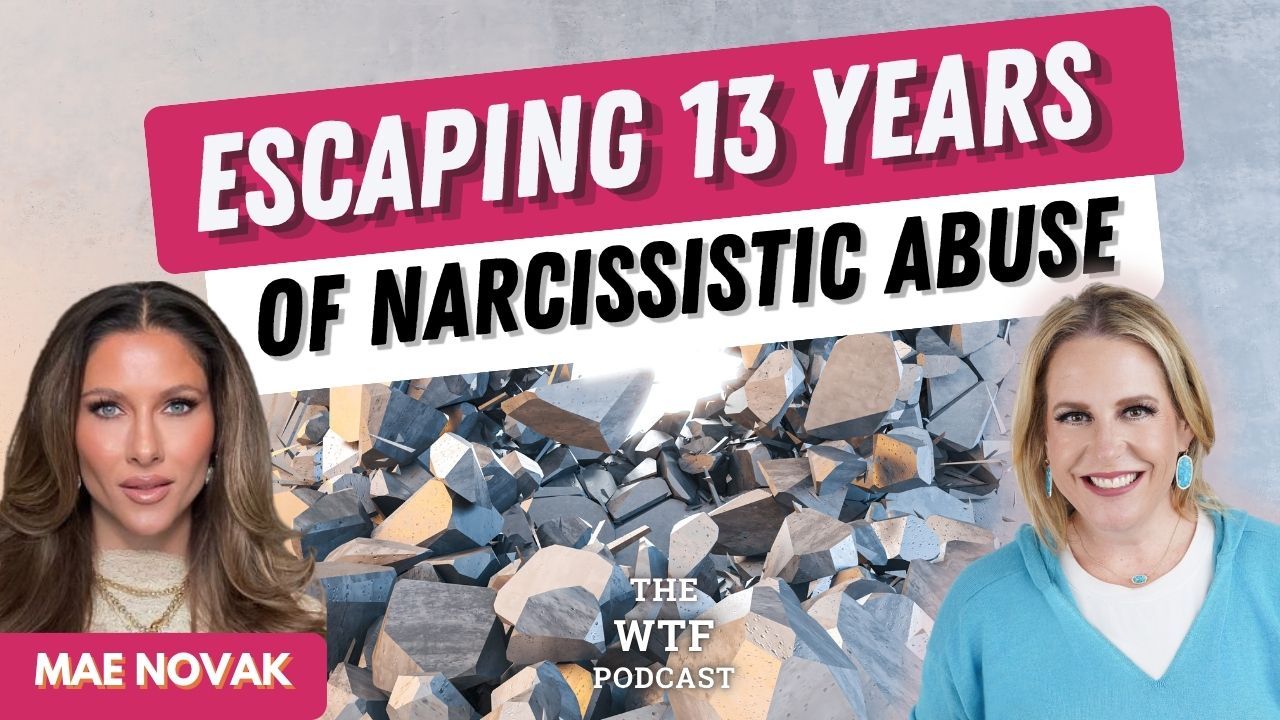
That's exactly what my conversation with Mae Novak explores on this week's episode of the WTF Podcast. She shares the story of spending 13 years in a marriage that she desperately wanted to work. Every time the cycle repeated, she believed one more conversation, one more apology, or one more chance might finally change everything.
Until one phone call changed her perspective forever.
When she asked her husband to simply listen while she shared how she was feeling, his response was, "I can't."
Not "I won't."
"I can't."
That moment helped her realize something so many of us eventually discover: sometimes the answer isn't trying harder. Sometimes it's accepting what's already been shown to you.
One of the things I loved most about this conversation is that it isn't really about narcissism.
It's about patterns.
It's about recognizing when you've been working harder than the other person for far too long.
It's about realizing that protecting your peace isn't selfish—it might be the healthiest decision you ever make.
Whether this shows up in a marriage, a friendship, your family, or even your career, the question eventually becomes the same:
At what point does trying harder start costing you yourself?
Here are two questions I'd encourage you to sit with this week:
Where in your life are you hoping someone will become who they've consistently shown you they aren't?
What's one way you can choose yourself this week instead of abandoning yourself?
If Mae's story resonates with you, I hope you'll listen to the full conversation. It's honest, hopeful, and a powerful reminder that sometimes the biggest breakthrough begins the moment you stop trying to earn what should have been freely given.


