Confidence or Ego? The Difference Most People Miss
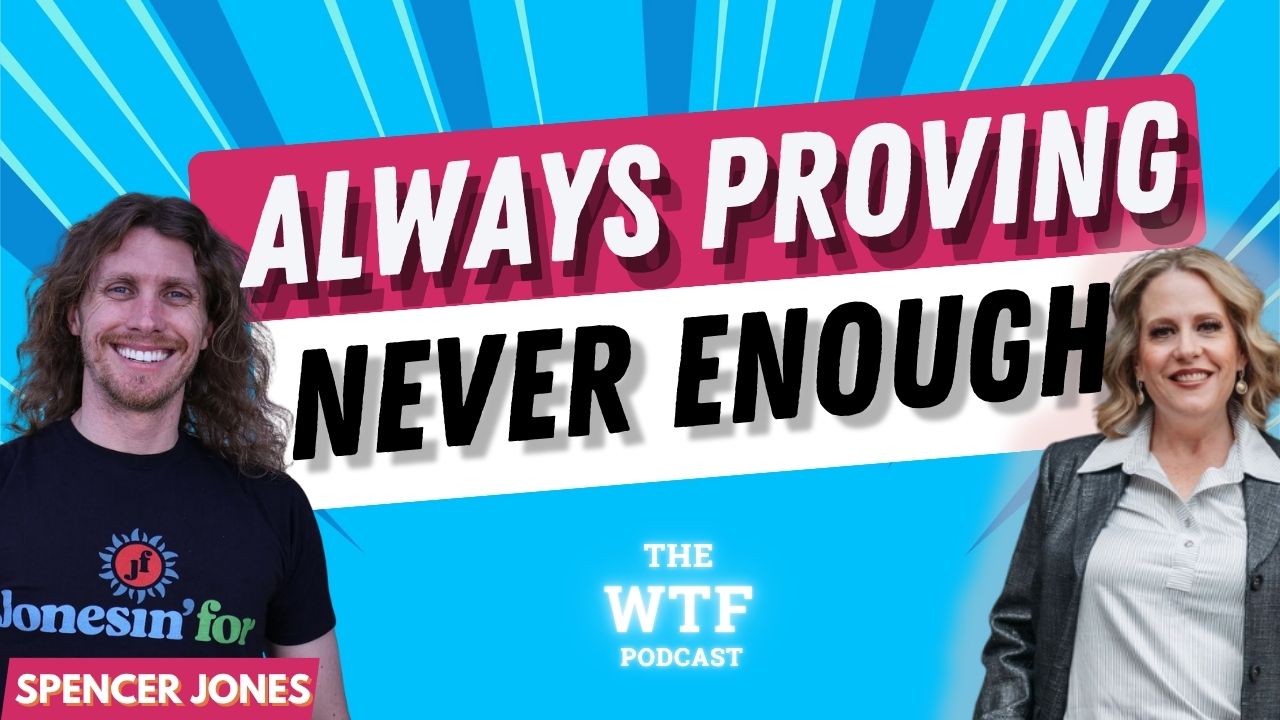
In my recent conversation with Spencer Jones, he shared something that really stayed with me long after we stopped recording. For years, he believed he was confident. He was driven, he showed up, and he went after what he wanted. From the outside, it looked like he was doing everything right. But when everything came crashing down, he was forced to confront a hard truth: much of what he had labeled as confidence was actually ego.
What made his story even more compelling is that this ego wasn’t loud or obvious in the way we often think about it. It was layered over something far more relatable—people-pleasing. And that’s where I think a lot of us miss it.
When we hear the term “people-pleaser,” we tend to picture someone who plays small or avoids conflict. But in reality, people-pleasing often shows up in much more socially acceptable—and even celebrated—ways. It can look like overperforming, always saying yes, and becoming the person everyone relies on. It can look like being the one who consistently delivers, who keeps it all together, and who quietly carries more than most people realize.
Underneath that, though, there is often a deeper driver at play. There is a need to be seen, to be validated, and ultimately to feel like we are enough. Over time, that need can start to shape how we show up in the world, and that’s where the line between confidence and ego begins to blur.
True confidence is grounded. It comes from a place of self-trust and doesn’t require constant reinforcement. It allows you to show up fully without needing external validation to confirm your worth. Ego, on the other hand, depends on that reinforcement. It feeds on recognition, outcomes, and the sense that you are doing it “right.” And when that becomes the fuel behind your actions, it can create a version of you that looks confident on the outside but feels exhausting to maintain on the inside.
That’s exactly what Spencer experienced. He built a version of himself that appeared successful and capable, but it wasn’t fully rooted in who he actually was. Eventually, that misalignment caught up with him. The pressure to sustain that identity became too much, and everything began to unravel. It wasn’t a failure of effort or ambition—it was the natural consequence of building something on a foundation that wasn’t entirely authentic.
This is where I think many high achievers find themselves without even realizing it. You can build a life that checks every box and still feel disconnected from it. You can be praised for your confidence while quietly operating from a need to prove something. And when that’s the case, no amount of doing more will ever fully resolve the feeling that something is off.
The shift isn’t about losing your drive or stepping back from your goals. It’s about getting honest about what’s actually driving you. Is it a grounded sense of self, or is it the need to prove your worth? Because the difference between confidence and ego isn’t always visible from the outside—it’s rooted in what’s happening beneath the surface.
If this resonates with you, listen to my full conversation with Spencer. His story brings this dynamic to life in a powerful way and offers a real look at what it takes to move from proving your worth to actually believing in it.


